
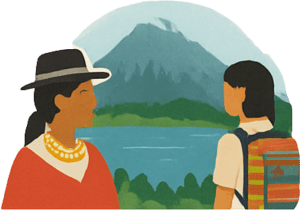
 Lake San Pablo, known ancestrally as Imbakucha, is a sacred place for the Indigenous peoples of Otavalo—primarily the Kichwa Otavalo community—and a symbol of identity, life, and natural balance for the entire Andean region. It is Ecuador’s largest lake and the spiritual heart of one of the country’s most vibrant living cultures.
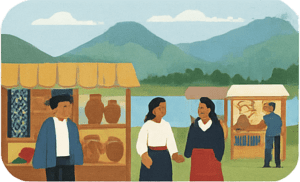 Otavalo is widely recognized as one of Ecuador’s most important cultural destinations, drawing visitors from around the world to experience its traditional markets, ancestral customs, and above all, the breathtaking natural beauty that surrounds the lake, nestled at the foot of the majestic Imbabura volcano.
In recent years, however, the lake’s ecosystem has shown signs of decline. Multiple factors—accumulated over time—have impacted both water quality and the biodiversity it sustains, on land and in the water. This is not the result of a single cause, but of a broader pattern of land use and settlement that must be reconsidered.
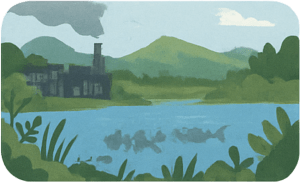 Now more than ever, collective action is essential. Technical assessments, academic research, and community voices all agree: without structural solutions, the lake faces the risk of irreversible damage in the near future.
The good news is, we still have time. With political will, public-private cooperation, and strong community engagement, we can restore the lake’s ecological balance and protect it for future generations.
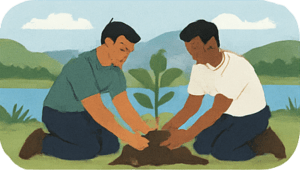 Lake San Pablo is more than water—it is culture, history, biodiversity, and living memory. This is a historic opportunity to regenerate an ancient ecosystem, safeguard an irreplaceable heritage, and renew the bond between people and their territory.