
Save Lake San Pablo Initiative
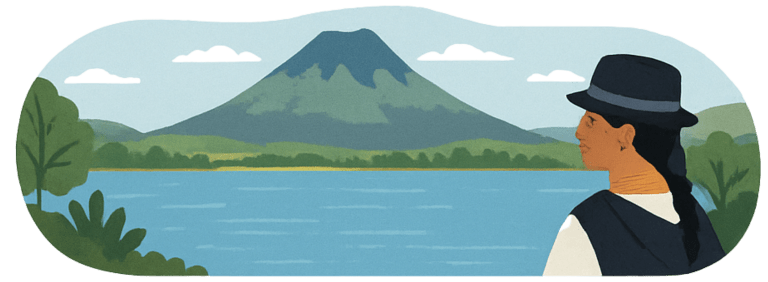
“Save Lake San Pablo” is a nonprofit initiative led by OLA Verde, dedicated to restoring the lake’s purity, protecting its biodiversity—both in and around the water—and empowering the surrounding communities.
To achieve this goal, the initiative seeks strategic allies from the public and private sectors, academia, civil society, and international organizations interested in supporting projects related to freshwater, Indigenous communities, and species conservation. Together, we can drive concrete actions to restore and clean up Lake San Pablo.
The construction of a self-sustaining, linear environmental park along the lakeshore will be the cornerstone of the project. This space will serve not only as an educational, ecological, and tourism center, but will also generate sustainable income to help finance sanitation efforts in the most affected areas of the watershed.
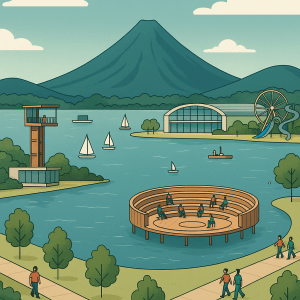
About the Project
Discover how OLA Verde is leading a comprehensive initiative to restore Lake San Pablo. We combine science, culture, clean energy, and local participation to build a replicable model of sustainable development.

Become a Partner
Join the growing network of institutions, companies, and individuals working to save Lake San Pablo. Your support can make a real impact through education, ecological restoration, and community empowerment. Let’s take action—together.
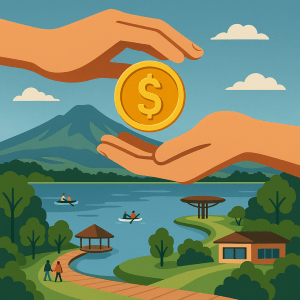
Make a Donation
Your contribution helps build eco-friendly infrastructure, create green jobs, and monitor water quality. Every dollar counts in bringing the lake back to life and protecting its ancient biodiversity.
Where is Lake San Pablo?
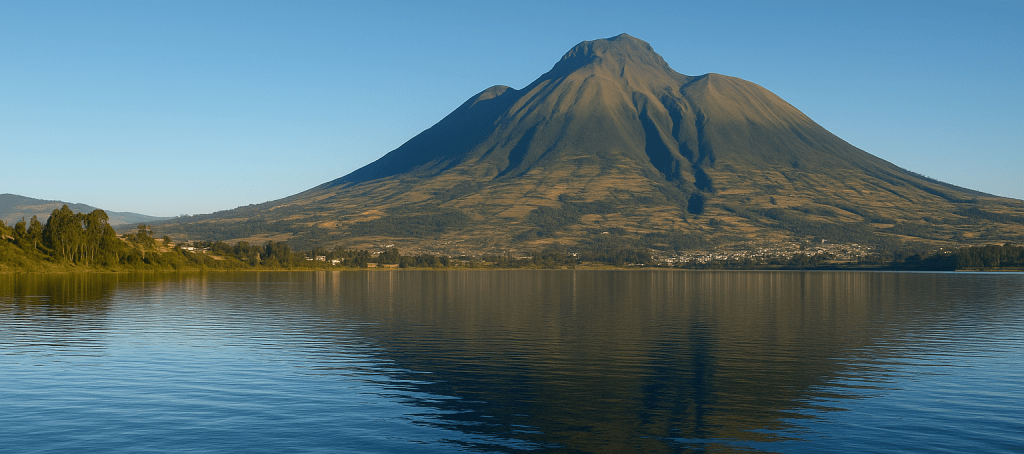
Lake San Pablo, traditionally known as Imbakucha, is located in the Otavalo canton, Imbabura province, in northern Ecuador, at an elevation of approximately 2,660 meters (8,730 feet) above sea level. Nestled at the base of the Imbabura Volcano, it is the largest lake in the Ecuadorian Andes, covering an area of around 6.6 km² (2.5 mi²) with a maximum depth of 35 meters (115 feet).
The lake is sacred to the Kichwa Otavalo people and stands as a cultural and spiritual symbol for the Andean region. Otavalo is also one of Ecuador’s top cultural tourism destinations, known for its Indigenous market, vibrant traditions, and deep connection to nature.
Lake San Pablo is home to rich biodiversity, including aquatic species such as tilapia, cachama, and guapote, as well as bird species like the pied-billed grebe, yellow-billed pintail, great egret, and the Ecuadorian ground dove. In the surrounding areas, you’ll also find mammals like the Andean guinea pig and native wetland plants such as totora reeds and canna lilies.
Sadly, this unique ecosystem is under threat due to pollution and environmental degradation, making conservation and restoration efforts more urgent than ever.